From Boston to Ghana: A Journey That Reconnected Students With Their Heritage

Seventeen students from Northeastern University in Boston arrived in Ghana expecting an academic exchange. They left with a new understanding of Africa, healthcare, community and, for many, their own identity.
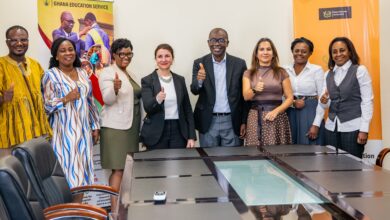
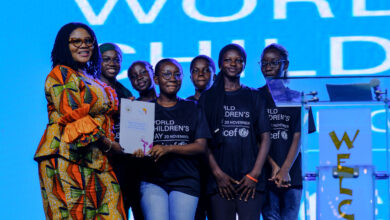
Over several days, the students visited schools, hospitals, orphanages and historic sites as part of a programme organised by OG World Foundation, led by Chief Executive Officer Edward Tetteh, under the guidance of Dr. Vanessa Dianna Johnson, Associate Professor of Applied Psychology at Northeastern University.
While the programme combined classroom learning with community service, many of the students say the biggest lessons came from Ghana itself.
Africa Beyond the Stereotypes
For Anna Paula Llompart, the trip challenged ideas she had encountered growing up in the United States.
Like many Americans, she said Africa was often portrayed through stories of poverty and underdevelopment.
“Even though I tried not to believe the stereotypes, coming here completely changed my perspective,” she said.
Instead of finding a country defined by hardship, she found one investing in education, healthcare and social development while making the best use of its available resources.
“It was inspiring to see how committed people are to improving their healthcare system and educating their children. Everyone we met was welcoming and determined to make things better.”

Healthcare Lessons Outside the Classroom
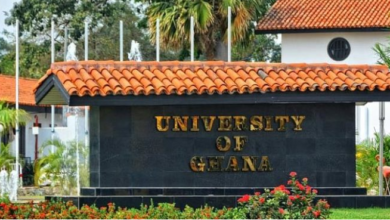
Biomedical engineering student Tahmir Murphy said one of his biggest discoveries came during visits to the University of Ghana Medical Centre (UGMC).
He found that hospitals sometimes avoid buying advanced medical equipment because manufacturers do not have technical representatives in West Africa.
Without local support, faulty equipment can remain out of service for weeks.
“Something as simple as not having company representation on the continent can stop hospitals from using certain technologies,” he said.
Murphy believes the experience will shape the way he approaches biomedical engineering throughout his career.
Volunteering Became Personal
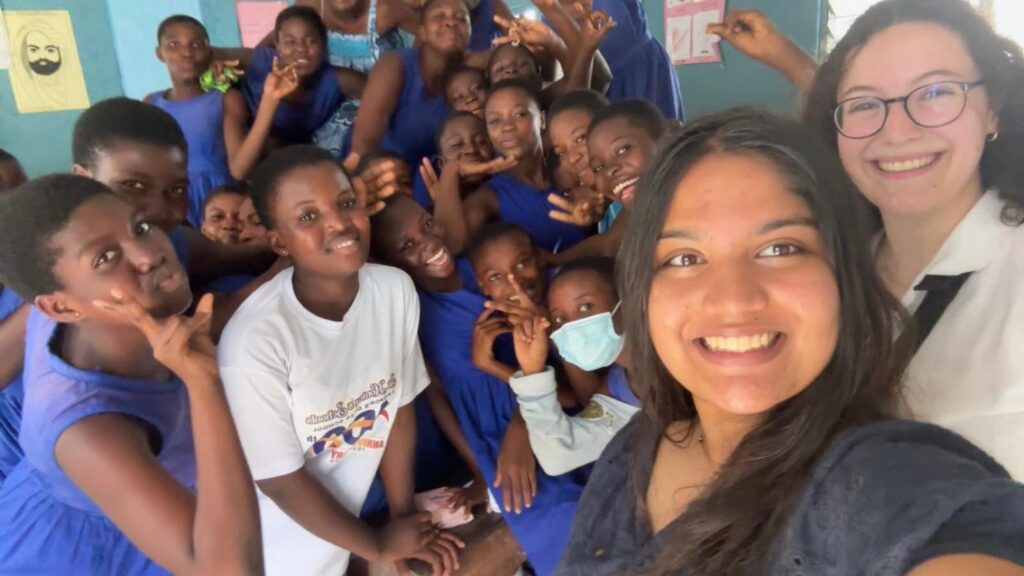
Although the students travelled to Ghana to serve communities, many admitted they were the ones who felt transformed.
Murphy said he expected to volunteer but did not expect to become emotionally attached to the people he met.
“I thought I was coming here simply to volunteer,” he said. “I didn’t expect to feel so connected to the people.”
Visits to schools, hospitals and orphanages exposed the students to communities determined to educate children, improve healthcare and support vulnerable families despite limited resources.
Finding Home in History
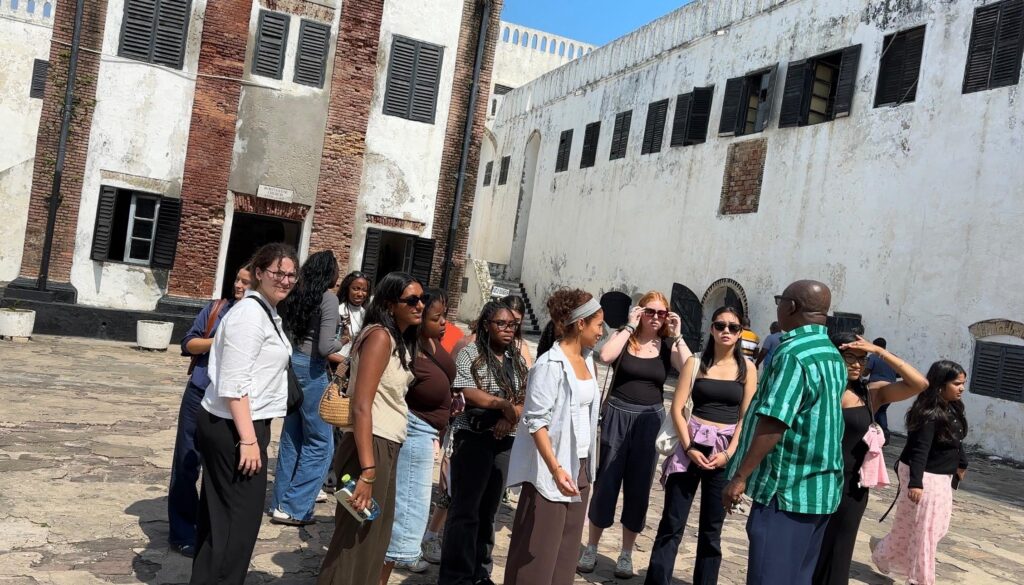
For many students, the emotional highlight came during visits to Cape Coast and Elmina castles.
Standing inside the former slave dungeons gave history a personal meaning.
Murphy, whose family is Jamaican, said the experience forced him to think differently about his ancestry.
“It made me realise my ancestors didn’t simply appear in the Caribbean,” he said. “They had lives, cultures and communities here before they were taken.”
Haitian American student Tatiana Pierre-Rene shared a similar experience.
She said walking through the castles gave her a deep appreciation for the resilience of African ancestors.
“Thousands of my ancestors are buried on this continent,” she said.
“I realised they carried enough strength to preserve their culture even after everything they endured.”
She described the experience simply.
“It felt like coming home.”

A Different Way of Living
Beyond history, Ghana’s sense of community left a lasting impression.
Pierre-Rene said she admired how people from different ethnic groups and language backgrounds communicated easily with one another.
She was particularly moved during a visit to Potter’s Village orphanage, where caregivers constantly reminded children they were “royalty.”
Rather than dwelling on loss, the caregivers focused on confidence, dignity and belonging.
“Here, the community seemed determined to build every child,” she said.
Training Better Health Professionals
Dr. Johnson said exposing students to Ghana’s healthcare system was central to the programme.
She believes future doctors, nurses and healthcare professionals need to understand that medical outcomes are shaped by more than medicine alone.
“The goal is for them to understand that healthcare is not just about medicine,” she said.
“When they become healthcare professionals, they will remember that inability to follow treatment isn’t always because people don’t care. Sometimes there are structural barriers.”
She hopes the experience will encourage them to see healthcare as service.
“They are not just practitioners,” she said. “They are service providers.”
Strengthening Ties Across the Atlantic
Dr. Johnson also sees the programme as a bridge between Africa and African American communities.
Through initiatives such as the Kindred Spirits Book Club, which connects Ghanaian and American students through shared reading and discussion, she hopes young people gain a deeper appreciation of their shared history.
“We’re planting seeds,” she said.
“Seeds that help young people understand that our histories are connected, that our futures are connected, and that we have a responsibility to support one another.”
For the Northeastern University students, Ghana became much more than a study destination.
It became a place where volunteering turned into learning, healthcare became service, and history became personal.