
BoG Tightens Pressure on Banks Over Dud Cheques, Illegal Digital Lenders and Diaspora Funds
The Bank of Ghana has raised fresh concerns over rising cheque defaults, the proliferation of unlicensed digital lenders and the banking industry’s failure to develop investment products for Ghana’s growing diaspora, signalling a broader push to strengthen confidence in the country’s financial system.
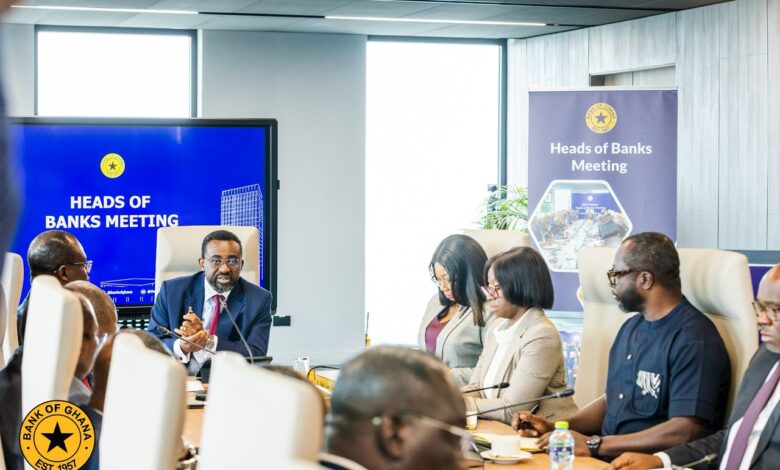
Speaking at a post-Monetary Policy Committee meeting with chief executives of commercial banks in Accra, Governor Dr. Johnson Asiama outlined three areas requiring immediate attention, warning that banks have a critical role to play in protecting customers, improving compliance and mobilising long-term capital for economic growth.
BoG Moves to Curb Rising Dud Cheques
The central bank said it continues to record increasing incidences of dud cheques and other breaches of cheque payment rules, raising concerns about confidence in one of the country’s oldest payment instruments.
Rather than returning cheques unpaid at the first sign of insufficient funds, Dr. Asiama urged banks to make full use of approved overdraft facilities and available balances in linked customer accounts where existing banking arrangements permit.
He also called on banks to strengthen their internal monitoring systems while increasing customer education to reduce repeat offences and improve compliance.
The Governor said improving cheque discipline is essential to maintaining public trust in the payment system as Ghana continues to modernise its financial infrastructure.
Crackdown on Illegal Digital Lenders
The Governor also disclosed that the Bank of Ghana has intensified its campaign against unlicensed digital lending operators that have increasingly targeted consumers through mobile applications and online platforms.
As part of the crackdown, the central bank has begun publishing a weekly list of entities providing digital credit services without the required regulatory approval.
According to Dr. Asiama, law enforcement and other regulatory agencies are working with the Bank of Ghana to remove non-compliant operators from the market.
He cautioned commercial banks to exercise greater vigilance before partnering with Digital Credit Service Providers (DCSPs), urging them to verify the licensing status of every provider with the central bank before entering into any business relationship.
The move is intended to strengthen consumer protection while preventing regulated financial institutions from inadvertently supporting illegal lending operations.
Untapped Opportunity in Diaspora Remittances
Perhaps the Governor’s most strategic message centred on Ghana’s remittance market.
A recent Bank of Ghana survey found that although billions of cedis flow into the country each year through remittances, most banks have yet to develop dedicated investment products tailored specifically to Ghanaians living abroad.
Instead, remittance inflows continue to be used primarily for person-to-person transfers rather than being channelled into structured savings accounts, investment products or other long-term financial instruments.
Dr. Asiama said the findings reveal a significant business opportunity for banks.
He encouraged lenders to expand beyond conventional money transfer services by developing specialised diaspora investment products, digital remittance platforms, mobile money solutions and other innovative financial offerings.
Such products, he noted, could deepen financial intermediation while mobilising diaspora capital to support productive investment across the Ghanaian economy.
Towards a National Remittance Strategy
To unlock that potential, the Governor announced that the Bank of Ghana is working with key stakeholders to develop a national remittance strategy.
The initiative is expected to increase remittance inflows while ensuring that a larger share of those funds is directed into savings, investment and other productive economic activities instead of remaining largely transactional.
For banks, the message was clear: compliance, innovation and customer-focused financial products are becoming increasingly important pillars of the country’s evolving financial landscape.
Whether through restoring confidence in cheque payments, avoiding partnerships with unlicensed digital lenders or unlocking the investment potential of the Ghanaian diaspora, Dr. Asiama signalled that the next phase of banking sector development will be measured not only by profitability, but also by how effectively banks contribute to financial stability and national economic development.