Amref Takes African Health Concerns to UN General Assembly
For many African families, access to healthcare can depend on how well a local health facility is prepared for a heatwave, flood or disease outbreak, and whether medicines and other essential supplies are available when they are needed.
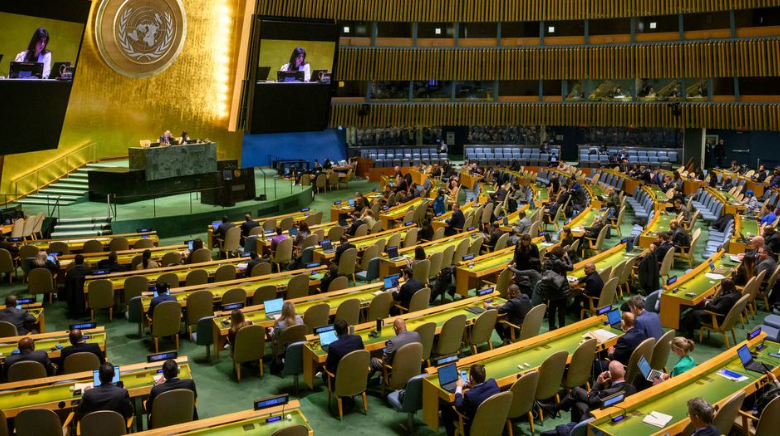
These everyday challenges will form part of the issues Amref Health Africa takes to New York this September when it joins governments, development partners and other global health stakeholders at the 81st United Nations General Assembly (UNGA81).
Amref will use the gathering to bring African experiences and concerns into discussions on how health systems can better respond to changing needs.
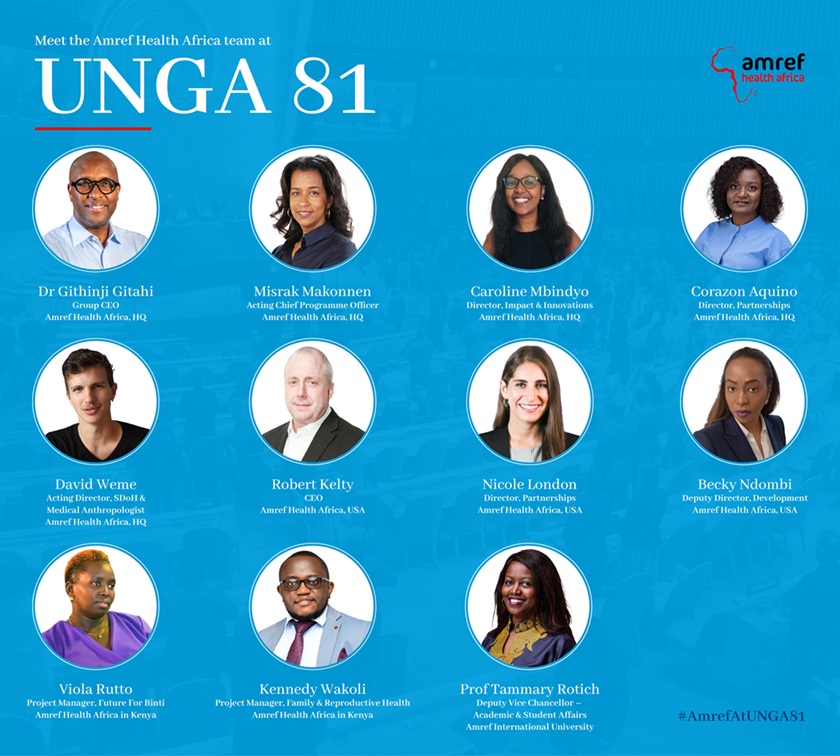
Its work at the meeting will focus on four areas: climate-resilient primary health care, health security, sustainable health financing and sovereignty, and preparations for the Africa Health Agenda International Conference (AHAIC) 2027.
Climate-resilient primary health care
Climate change is creating new pressures for health services, from extreme heat and flooding to diseases whose spread can be affected by changing weather patterns.
Amref will call for more financing to help countries turn climate and health assessments into costed, funded and implementable national plans.
The aim is to ensure that climate concerns are considered when countries plan and finance primary healthcare, rather than being treated as a separate issue after problems emerge.
For health workers and patients, that can affect whether facilities remain able to provide basic services when extreme weather disrupts communities.
Health security
Amref will also focus on health security, including access to lifesaving tools and stronger preparedness for health emergencies.
A key part of its approach is greater community participation in preparedness planning.
Communities and frontline health workers are often close to the first signs of a health threat. Giving them a role in preparedness can help ensure that response systems reflect conditions on the ground before an emergency develops.
Sustainable health financing and sovereignty
The question of how African countries will pay for healthcare over the long term will also feature prominently in Amref’s UNGA81 engagements.
The organisation will promote country-led approaches, stronger domestic capacity and new financing models for African health priorities.
The focus is on helping countries build the ability to finance and manage their own health priorities, while recognising the continuing role of external development support.
For health systems, the issue is ultimately about continuity. Financing that is predictable enough can help governments plan services, retain health workers, maintain facilities and sustain programmes instead of relying on short-term funding.
Building towards AHAIC 2027
Amref will also use the UNGA81 platform to build interest in the next Africa Health Agenda International Conference (AHAIC), which will be held in Kigali from February 28 to March 3, 2027.
AHAIC will bring together stakeholders to examine African health priorities and how commitments made at global forums can be translated into action on the continent.
Amref’s participation at UNGA81 will therefore combine global advocacy with issues that affect health workers and communities directly, from the ability of a clinic to withstand climate pressures to whether a country has the financing and preparedness systems needed to respond to a health emergency.
Updates from Amref’s engagements will be shared through its global channels under the hashtag #AmrefAtUNGA81.