Next Pandemic: Will Health Systems Protect Everyone?
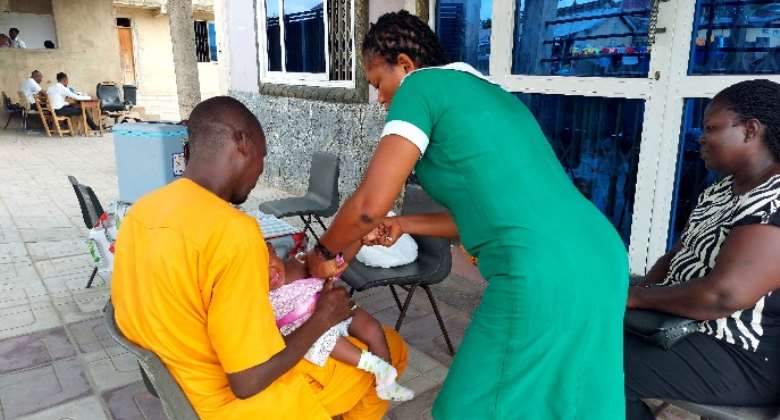
A pandemic plan may look solid on paper, but what happens when people cannot afford to stay home, find a place to isolate or reach a health facility? The NUS-Lancet PRIME Commission says these gaps could cost millions of lives.
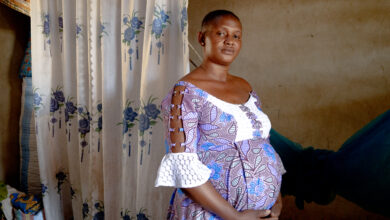
A family living in a crowded home may have nowhere to isolate. An informal worker who stays home may lose a day’s income. Someone without the required identification documents may struggle to access government support. And health advice delivered in a language people do not understand may never reach them.
These everyday realities can determine who gets protected and who is left exposed during a health emergency.
A new report by the NUS-Lancet PRIME Commission says countries need to take these realities much more seriously when preparing for the next pandemic.
The Commission is an expert body established by the National University of Singapore and The Lancet to examine how countries can strengthen pandemic readiness. Its name, Pandemic Readiness through Institutions, Mobilising Communities and Equity, reflects the three areas it considers central to effective preparedness.
Its conclusions draw on research involving 819 participants across 20 countries, covering governments, civil society and the private sector. The work also included six evidence reviews, future pandemic scenarios and epidemiological modelling, bringing together expertise in infectious diseases, health emergencies, health systems, governance, social protection and community engagement.
By combining evidence with people’s lived experiences, the Commission examined where pandemic protection breaks down, why those weaknesses persist and what governments, institutions and communities can do differently.
Its central argument is that vulnerability is often created by the systems people have to rely on.
“What the PRIME Commission found is that people themselves aren’t ‘vulnerable’, but rather, that systems create vulnerability,” said Professor Helena Legido-Quigley, Co-Chair of the Commission.
A plan is not enough
The Commission was established in 2023, following the COVID-19 pandemic, which exposed major weaknesses in health systems and social protection arrangements around the world.
Its work examined experiences in 20 countries, with particular attention to people often overlooked in pandemic planning, including older people, migrants, informal workers, people with disabilities and communities facing structural discrimination.
The Commission found that many countries had pandemic plans, but had not adequately tested whether those plans would work for everyone when health systems came under pressure.
“Most countries had pandemic plans, but these were not tested to be sure they would work for everyone under pressure,” said Helen Clark, Co-Chair of the Commission and former Prime Minister of New Zealand.
The Commission is calling for a shift from conventional pandemic preparedness towards what it describes as 360° readiness.
The approach looks at how systems perform before, during and after an emergency, while also strengthening the institutions and services needed to prevent outbreaks from becoming larger crises.
“A pandemic plan is only as strong as the systems behind it,” said Dr Sara Calderón-Larrañaga, first co-author of the Commission.
Vaccine access could change the death toll
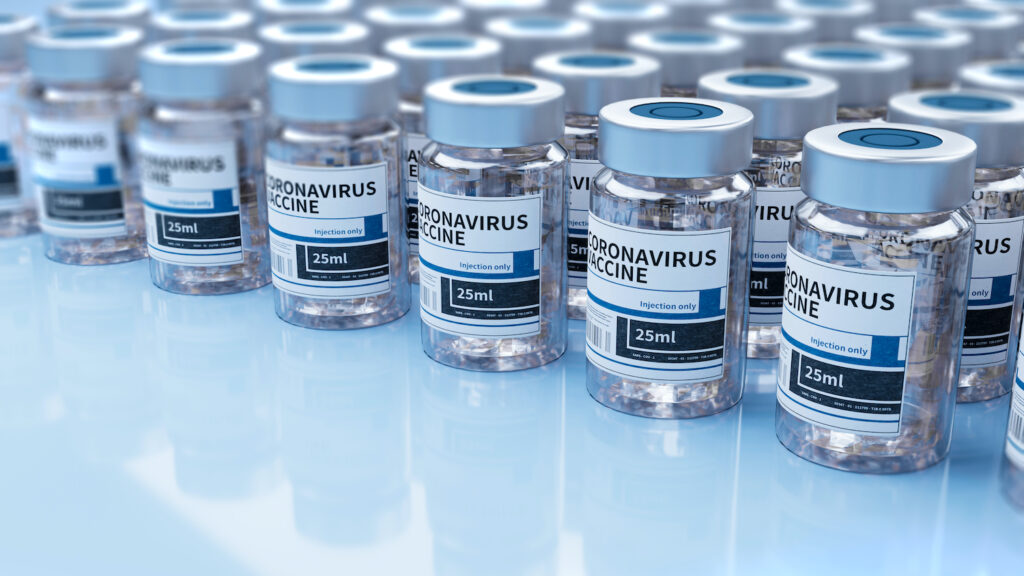
The report also shows how decisions about vaccines could significantly affect deaths in a future pandemic.
Using a hypothetical influenza A pandemic, the Commission modelled the effects of faster vaccine development, more equitable distribution and stronger public confidence in vaccines.
Fast-tracking vaccine development could reduce deaths from 58.5 million to 23.9 million, a 59 percent reduction, even if wealthier countries received vaccines first.
But distributing vaccines according to population rather than purchasing power could save an additional 2.7 million lives, particularly in middle-income countries.
The modelling also found that rebuilding public confidence in vaccines could save another 1.9 million lives.
The findings suggest that the outcome of a pandemic will depend not only on how quickly scientists develop a vaccine, but also on who receives it, how quickly they receive it and whether people trust it.
Professor Legido-Quigley said a more equitable approach to vaccine distribution could save millions of additional lives.
Africa has already seen the problem
For Africa, the issue is familiar.
COVID-19 exposed major inequalities in access to vaccines and other medical supplies. Outbreaks of Ebola, mpox and Marburg have also continued to test health systems across the continent.
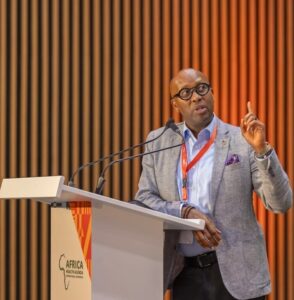
Reacting to the findings, Dr Githinji Gitahi, Global CEO of Amref Health Africa, said Africa’s experience during COVID-19 showed the dangers of countries acting mainly in their own interests during a global health emergency.
African countries were left at the back of the queue for COVID-19 vaccines, he said, leaving millions vulnerable and weakening the wider global response.
“The real measure of preparedness will not be how quickly the richest countries can protect themselves, but how quickly the world can protect everyone,” Dr Gitahi said.
The concern goes beyond fairness. As long as a virus continues to spread somewhere, it can remain a threat elsewhere.
Communities cannot be left out
The Commission also places communities at the heart of pandemic planning.
Dr Gitahi said outbreaks are first experienced in homes, villages, markets and neighbourhoods.
During Ebola outbreaks in Uganda and the Democratic Republic of the Congo, the COVID-19 response across Africa and the Marburg outbreak in Tanzania, trusted local health workers and community leaders helped people understand and respond to health threats, he said.
“Communities are the frontline of preparedness,” Dr Gitahi said.
That means governments need to involve communities before a crisis begins.
A government may tell people to isolate without considering whether they have enough space to do so. A vaccination programme may overlook transport costs, working hours or access for people with disabilities.
Public health messages can also fail when they are not delivered in languages and forms people understand.
The Commission says communities should therefore have a meaningful role in shaping the plans and systems designed to protect them.
Trust has to be built early
Trust is another major part of pandemic readiness.
During an outbreak, governments need people to follow health advice, seek treatment, accept vaccines where appropriate and cooperate with measures intended to control the spread of disease.
But trust is difficult to build once an emergency is already underway.
Dr Gitahi said it requires sustained investment in community health systems, properly trained and resourced community health workers, and stronger links between communities and local health authorities.
“Trust cannot be improvised once an outbreak has begun,” he said. “It must be earned now, before the next crisis.”
That means preparedness is not simply about buying emergency equipment or building specialised facilities.
It also means strengthening the everyday health services on which communities depend.
Six areas for action
The NUS-Lancet PRIME Commission has identified six areas for governments to focus on:
Move from preparedness to 360° readiness: Test whether systems can protect people when an emergency puts them under pressure.
Give communities a meaningful role: Involve communities in designing and improving pandemic plans.
Cooperate to save lives: Strengthen international cooperation on vaccines and other medical countermeasures.
Fix systems that create vulnerability: Address barriers linked to poor housing, weak social protection, lack of documentation and inaccessible services.
Build trust: Strengthen confidence in health institutions through transparency, communication and engagement.
Protect people and ensure accountability: Governments should be able to demonstrate that their preparedness plans are reaching the people they are intended to protect.
The development issue behind pandemic readiness
The report’s findings extend beyond pandemics.
A health system that struggles to reach people during an emergency may also struggle to provide routine care. Weak public communication can create problems during both health emergencies and normal times. Poor social protection can leave families exposed to both illness and loss of income.
For Ghana and other African countries, preparing for the next pandemic is therefore also about strengthening the systems people depend on every day.
The question is not simply whether a country has a pandemic plan.
It is whether that plan will work for the informal worker who cannot afford to stay home, the family with no space to isolate, the person without the right documents, or the community that does not receive health information in a language it understands.
The next health emergency will test those systems.
And when it comes, the measure of preparedness will be whether protection reaches the people who need it.