Africa’s Health Financing Challenges to Dominate AHAIC 2027
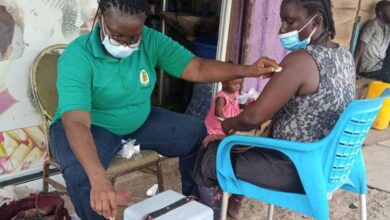
More than half of Africa’s population still lacks access to health services, putting pressure on governments to mobilise domestic resources and strengthen healthcare systems.

Africa’s ability to finance its healthcare systems and expand access to essential services will take centre stage when health leaders, policymakers and development partners meet in Kigali, Rwanda, for the 7th Africa Health Agenda International Conference (AHAIC) 2027.
The four-day conference, scheduled for February 28 to March 3, 2027, will bring together stakeholders from across Africa and beyond to explore practical solutions to the continent’s healthcare challenges, with particular attention to health financing, sovereignty and resilient health systems.
The meeting comes at a time when declining health funding and rising healthcare costs are putting pressure on governments and households, raising concerns about the sustainability of healthcare delivery across the continent.
Convened by Amref Health Africa and co-hosted by Rwanda’s Ministry of Health, the Africa Centres for Disease Control and Prevention (Africa CDC) and the World Health Organisation’s Regional Office for Africa, the conference is expected to attract ministers, researchers, community health workers, funders, young leaders, innovators and private sector representatives.
Group Chief Executive Officer of Amref Health Africa, Dr Githinji Gitahi, said more than half of Africa’s population still lacked access to health services, despite improvements in healthcare availability.
He explained that the increasing availability of services had not necessarily translated into affordable healthcare, as the cost of accessing treatment continued to place a financial burden on households.
Geographical barriers, financial constraints, gender inequalities and cultural factors also prevent many people from accessing essential health services, he said.
Dr Gitahi said closing the access gap required solutions that reflected Africa’s social and economic realities, supported by stronger government leadership and collaboration among communities, researchers, policymakers and development partners.
He said AHAIC was established in 2014 to provide a platform for Africa to shape discussions on its health priorities while bringing international partners together to support the continent’s health agenda.
The conference, he explained, was not intended to isolate Africa from global health partnerships but to ensure that the continent played a central role in shaping solutions to its healthcare challenges.
“Doing it alone is not an ask for isolation. It’s actually an ask for solidarity,” he said.
Financing Africa’s health future
The 2027 conference will focus on Africa’s health sovereignty and the development of health systems that are adequately equipped and financed to respond to the needs of its people.
A major issue will be how governments can mobilise domestic resources to support healthcare delivery, particularly as international development assistance comes under increasing pressure.
Dr Gitahi said the continent needed to strengthen its capacity to finance its health priorities through collective action and solidarity rather than depend solely on external development assistance.
The discussions are also expected to examine how governments, the private sector and development partners can work together to strengthen healthcare institutions and expand access to services.
For Dr Gitahi, the importance of improving healthcare goes beyond the health sector, given its connection with education, productivity and economic development.
He said health was fundamental to building human capital, arguing that without healthy populations, efforts to improve education and develop the skills needed for economic progress would be undermined.
The organisers are inviting governments, businesses, civil society organisations, researchers and individuals to participate in the conference and contribute to shaping Africa’s health priorities.
With 100 days to the gathering, AHAIC 2027 is expected to provide a platform for examining what is working across the continent and identifying ways to expand successful interventions to reach more people.