
Old Mutual Targets Family Wealth Protection with GH¢300,000 Funeral-Linked Insurance Plan
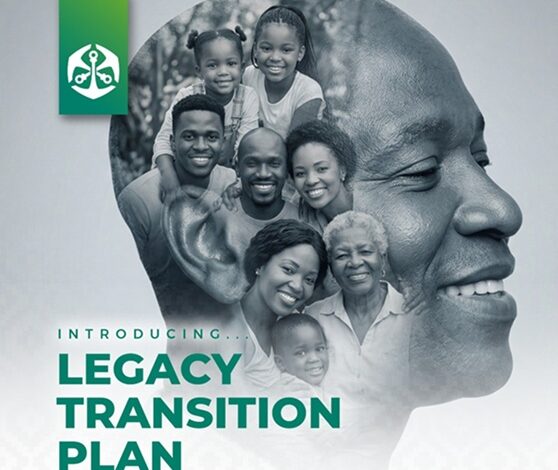
Ghana’s insurance market is seeing a shift toward products that blend protection with long-term financial planning, as Old Mutual Ghana rolls out a new offering designed to turn funeral cover into a broader household financial strategy.
The company has launched its Legacy Transition Plan, positioning it as a next-generation insurance product that goes beyond traditional funeral policies to support wealth preservation, family protection, and intergenerational planning.
Reframing Funeral Cover as Financial Planning
At the core of the product is a deliberate attempt to redefine how Ghanaians approach funeral insurance. Rather than a one-off payout to cover burial costs, the plan is structured as a financial instrument that grows over time and supports extended family members.
“Planning for the inevitable is one of the most responsible gifts a parent or provider can give,” said Roy Punungwe, Group Chief Executive Officer, noting that the product is designed to ensure “dignity is never compromised by cost.”
The plan offers initial cover ranging from GH¢20,000 to GH¢300,000, with automatic annual benefit escalation of 10 percent, capped at GH¢500,000, helping policyholders preserve value against inflation.
Expanding Coverage to the Extended Family
A standout feature is its broad inclusivity. Unlike conventional policies that limit coverage to nuclear family members, the Legacy Transition Plan allows policyholders to enroll a wide network of relatives, including parents, in-laws, siblings, grandparents, and even extended relations such as aunts and cousins.
There is no cap on the number of lives covered, making it one of the most expansive family-oriented insurance products currently on the Ghanaian market.
For children, benefits are pegged at 50 percent of the policyholder’s sum assured, while older dependents between 71 and 80 years are covered under structured benefit limits aligned with actuarial risk.
Built-In Incentives and Flexibility
The product introduces a savings-like feature through a 10 percent cash-back reward on total premiums paid at the end of every five-year term, regardless of claims made during the period. This positions the policy not just as protection, but as a disciplined financial planning tool.
It also incorporates a relatively generous reinstatement framework. Policyholders have a four-month grace period during which claims remain valid, followed by a six-month reinstatement window, effectively providing up to 10 months to regularize missed premiums without losing coverage.
Aligning with Ghana’s Cultural Realities
Recognizing the socio-cultural significance of funerals in Ghana, the plan includes a provision allowing policyholders to allocate a portion of their sum assured specifically for funeral logistics such as canopies, seating, and water.
Basic funeral services are also embedded in the policy, offering immediate operational support to families during bereavement, a feature that addresses both emotional and logistical pressures at a critical time.
Market Positioning and Industry Implications
The Legacy Transition Plan reflects a broader trend within Ghana’s financial services sector toward hybrid products that combine insurance, savings, and investment characteristics.
By eliminating medical examinations for enrollment and offering flexible renewal every five years, the product lowers entry barriers while allowing policyholders to adjust coverage as their financial circumstances evolve.
For Old Mutual, which has operated in Ghana since 2013 through its life assurance and pensions businesses, the launch underscores a strategic push to deepen market penetration by aligning products with both the economic realities and cultural expectations of Ghanaian households.
A Shift Toward Household Financial Resilience
In a market where informal financial support systems often bear the burden of funeral expenses, structured products like the Legacy Transition Plan signal a gradual transition toward formalized financial protection.
By combining inflation-adjusted benefits, extended family coverage, and practical service delivery, the product is positioned not just as an insurance policy, but as a cornerstone of long-term household financial resilience.
As competition intensifies in Ghana’s insurance space, the success of such products may hinge on their ability to bridge the gap between financial planning and everyday lived realities, where risk, culture, and family obligations intersect.