Emirates Explores New Accessibility Innovations to Improve Air Travel
Emirates is developing new cabin familiarisation, wheelchair-accessible lounge and biometric boarding solutions as it seeks to make air travel more accessible to passengers with disabilities and reduced mobility.
Emirates is exploring new technologies and facilities to improve the travel experience for passengers with disabilities, including people who are blind or have low vision, wheelchair users and travellers with reduced mobility.
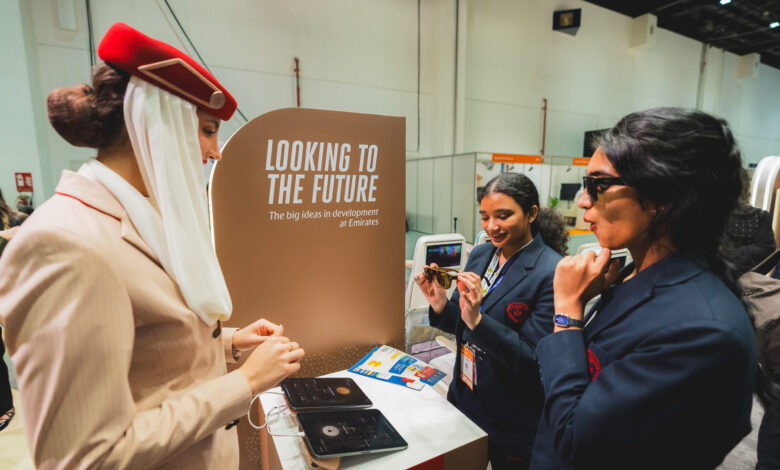
The airline unveiled the innovations at the eighth AccessAbilities Expo in Dubai, held from October 19 to 21, 2026, where it demonstrated concepts designed to improve passenger independence, comfort and access throughout the journey.
The developments include an audio-guided aircraft cabin familiarisation experience for passengers with visual impairments, a dedicated accessible lounge suite and biometric boarding gates designed to support passengers with accessibility requirements.
Mostafa Karam, Divisional Senior Vice President of Customer Affairs and Service Audit at Emirates, said the airline was looking beyond individual services to address accessibility across the entire travel experience, from journey planning to airport procedures and the onboard environment.
He said customer feedback and lived experiences were informing efforts to reduce barriers and enable passengers to travel with greater confidence and independence.
New cabin experience for passengers with visual impairments
One of the concepts on display allows passengers who are blind or have low vision to familiarise themselves with an aircraft cabin before flying.
The experience combines spatial audio, tactile exploration of an aircraft seat and guidance from a host to help participants understand their surroundings.
Visitors sit in a real Emirates A350 aircraft seat fitted with the airline’s U-Dream headrest while audio describes elements of the cabin around them.
The concept is intended to help passengers become more familiar with the onboard environment, potentially reducing uncertainty and making it easier to navigate the cabin independently.
Accessible lounge suite under development
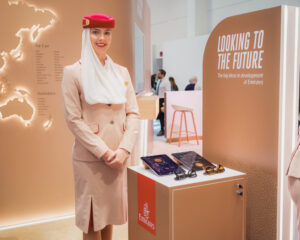
Emirates also presented a prototype of an accessible lounge suite designed for wheelchair users, older travellers and passengers who need additional space or physical support.
The suite builds on the airline’s private lounge suites, first introduced in its First Class lounges in 2024, and incorporates features intended to improve comfort and independence.
These include a powered lift recliner with swivel and reclining functions, integrated grab bars, wheelchair storage and additional space for transfers. The design also retains features such as wireless charging and entertainment screens.
The prototype is being developed for First Class, with the possibility of extending it to other cabin classes in the future.
The proposed facility would give passengers who need additional assistance a private place to rest, work or dine before departure.
Biometric boarding and improved self-service
At Dubai International Airport, Emirates has introduced accessibility features to its biometric boarding process and self-service check-in facilities.
The airline said its accessible boarding gates feature flexible camera coverage that adjusts to different heights and angles, including for passengers using wheelchairs.
Its self-service kiosks also include text-to-speech functionality, Braille and tactile features, headphone connections for audio access and height-adjustable interfaces.
The measures are intended to make check-in and boarding more accessible while allowing passengers to complete more stages of their journey independently.
Support for passengers with autism
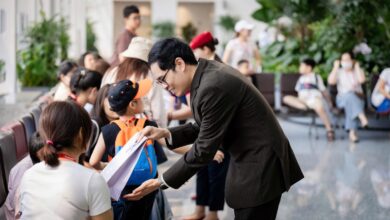
Emirates is also expanding support for passengers with autism and other sensory needs through its Travel Rehearsals programme.
The initiative allows children and young adults with autism, accompanied by their families and support networks, to practise moving through an airport before taking an actual flight. The rehearsals are designed to help participants become familiar with airport procedures and reduce anxiety associated with travel.
The airline said it had completed 80 travel rehearsals across six continents, benefiting more than 400 families. More than 35,000 Emirates employees have also received training to support customers with autism.
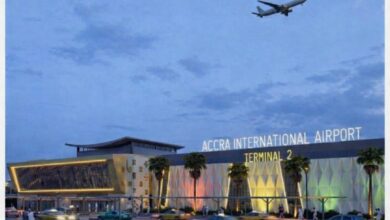
The programme has included airports in Accra and other cities worldwide, placing Ghana among the locations where the airline has conducted the rehearsals.
Emirates also provides sensory products and fidget toys onboard to help passengers who may benefit from tactile activities during a flight.
Accessibility extends to inflight entertainment
The airline said its inflight entertainment system offers more than 850 films with closed captions and 200 with audio description.
Its Airbus A350-900 aircraft also feature an updated entertainment interface developed with technology partner Thales and advocacy groups to improve access for passengers who are blind or have low vision.
The interface incorporates audio cues, spoken information about content and touch-and-swipe navigation to help passengers select entertainment more independently.
Emirates also provides headphones compatible with hearing aids when set to the appropriate telecoil mode.
Accessible transport and travel information
In Dubai, Emirates has made 10 wheelchair-accessible vehicles available for eligible First and Business Class customers using its Chauffeur Drive service.
The adapted Mercedes-Benz V-Class vehicles feature lowered floors, boarding mechanisms and adjustable seating arrangements. The airline said its chauffeur drivers were also receiving training in mobility assistance.
Passengers can also use Emirates’ Accessible and Inclusive Travel Hub online to find information about assistance for mobility, visual and hearing impairments, hidden disabilities, medical travel and family travel.
The airline established a dedicated Office of Accessibility and Inclusion and became the world’s first autism-certified airline in March 2025, according to its announcement.
The latest concepts form part of its broader effort to incorporate accessibility into airport services, aircraft facilities, digital platforms and customer support.
While the cabin familiarisation experience and accessible lounge suite remain under development, their eventual impact will depend on implementation and availability to passengers. The airline’s wider initiatives reflect an effort to make accessible travel a more consistent part of the passenger experience rather than a service limited to individual stages of a journey.