Emirates’ New Cargo Giant Highlights Africa’s Race to Capture More Global Trade
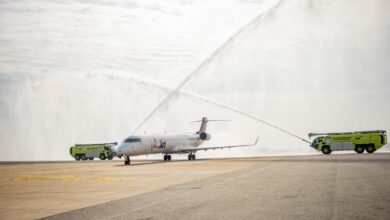
The launch of Emirates SkyCargo’s first converted Boeing 777-300ERSF is not just an aviation milestone. It is a reminder that the battle for global trade is increasingly being fought through logistics networks, cargo hubs and the ability to move goods quickly across continents.
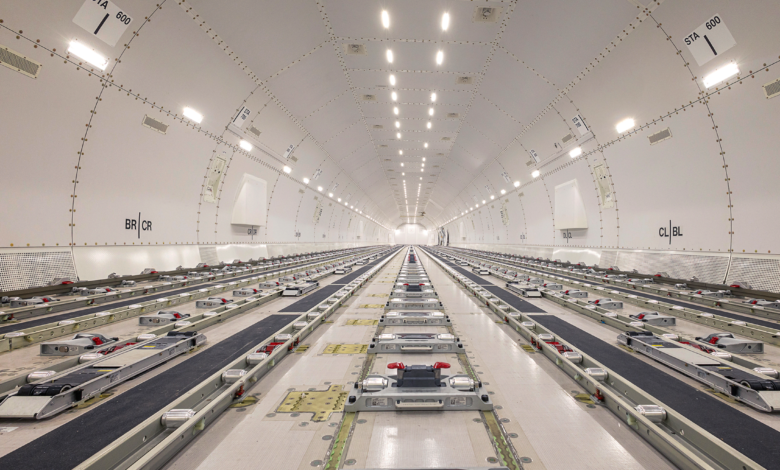
Emirates this week became the first combination carrier to deploy the passenger-to-freighter converted aircraft, capable of carrying more than 100 tonnes of cargo. The aircraft offers roughly 25% more cargo volume than a standard Boeing 777 production freighter, making it particularly attractive for fast-growing shipments such as e-commerce goods.
For the airline, the aircraft forms part of a wider cargo expansion strategy. Emirates SkyCargo says it is converting older passenger jets into freighters to meet rising demand while rapidly expanding its dedicated cargo network through Dubai.
But the larger story is what this signals for Africa.
Why Cargo Is Becoming More Important Than Ever
Global trade is changing. Consumers expect faster deliveries, manufacturers hold smaller inventories, and industries such as pharmaceuticals, electronics and online retail increasingly rely on air freight rather than slower shipping routes.
That shift is forcing airlines to add cargo capacity at a pace that aircraft manufacturers alone cannot meet. Converting passenger aircraft into freighters has become one of the industry’s fastest ways to expand.
The trend suggests cargo is no longer a secondary business for airlines. It is becoming a strategic growth engine.
What It Means for Ghana
For Ghana, the implications are significant.
Exports such as fresh fruits, vegetables, seafood, pharmaceuticals and processed foods depend heavily on reliable air freight. As global cargo networks expand, countries with efficient airports, cold-chain facilities and faster customs systems will be better positioned to attract export traffic.
The Accra International Airport has made progress in cargo handling infrastructure, but competition is intensifying. Other African hubs are also investing aggressively to capture growing freight flows linked to the African Continental Free Trade Area (AfCFTA).
The Bigger Opportunity
Air cargo supports more than airlines.
It affects farmers trying to reach overseas markets, manufacturers seeking faster supply chains, pharmaceutical companies distributing medical products and logistics firms building regional distribution networks.
As cargo capacity grows globally, the question for African economies is whether they can build the supporting infrastructure needed to capture a larger share of higher-value trade rather than relying primarily on raw commodity exports.
A Signal Beyond Aviation
Emirates’ new freighter therefore represents more than another aircraft entering service.
It signals a world in which speed, connectivity and logistics efficiency are becoming increasingly important sources of economic competitiveness.
For Ghana and other African economies, the opportunity may not lie in the aircraft itself, but in whether they can position themselves as reliable gateways for the next wave of global trade moving through the skies.