Malawi Studies Ghana’s GoldBod Model and Mining Regulations
Malawi is examining Ghana’s gold purchasing system, mining regulations and mineral revenue management as it seeks to strengthen governance of its mineral resources and increase the sector’s contribution to its economy.
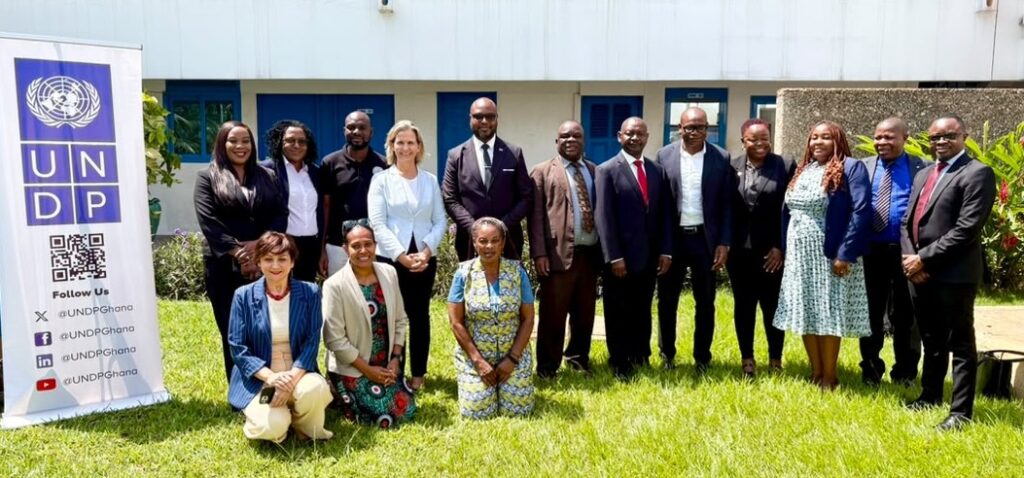
A delegation led by Malawi’s Minister of Mining, Thoko Tembo, visited Ghana from October 24 to 30, 2026, for discussions with government institutions, regulators, financial institutions and mining industry representatives.
The visit, organised under the United Nations Development Programme’s (UNDP) South-South Cooperation initiative, focused on Ghana’s experience in domestic gold purchasing, responsible mineral sourcing, investment promotion and environmental protection.
The delegation’s engagements with the Bank of Ghana and the Ghana Gold Board (GoldBod) focused on the financial and institutional arrangements underpinning Ghana’s domestic gold purchasing system.
Discussions covered how gold purchases are financed, payments are settled and financial risks managed, as well as the respective responsibilities of the central bank, GoldBod, commercial banks and other institutions.
The team also examined how domestic gold purchasing arrangements can support foreign exchange management and strengthen national gold reserves.
The discussions offered Malawi an opportunity to assess the institutional requirements and financial risks involved in establishing or strengthening similar arrangements.
Mining revenue and accountability
The delegation also examined Ghana’s approach to transparency in the extractive sector during an engagement with the Ghana Extractive Industries Transparency Initiative (GHEITI).
Discussions focused on the reporting of payments by mining companies, government receipts and the responsibilities of institutions involved in managing mineral revenues.
At the Minerals Development Fund (MDF), the team examined how mineral revenues are distributed to support development, particularly in communities affected by mining.
The engagement highlighted the importance of transparent revenue allocation and accountability in ensuring that mining communities benefit from the exploitation of their natural resources.
Local businesses and investment
The role of local businesses in mining supply chains featured in discussions with the Ghana Chamber of Mines.
Participants examined local procurement, supplier development and the requirements businesses must meet to secure contracts from mining companies. These included technical capacity, product quality, reliable delivery and compliance with industry standards.
At the Ghana Association of Banks, discussions centred on access to finance for local businesses supplying the mining industry, particularly working capital and equipment financing.
The delegation also met the Ghana Investment Promotion Centre (GIPC), where discussions covered investment opportunities in mineral processing and value addition, including the infrastructure, technology, skills and financing needed to attract investors.
Illegal mining and environmental protection
Ghana’s efforts to tackle illegal mining and environmental degradation were another focus of the visit.
During discussions with the Environmental Protection Authority (EPA), the delegation examined enforcement challenges, environmental permitting, mercury management and the rehabilitation of degraded lands and polluted water bodies.
The discussions also considered the role of financiers, equipment suppliers and other actors who support illegal mining operations.
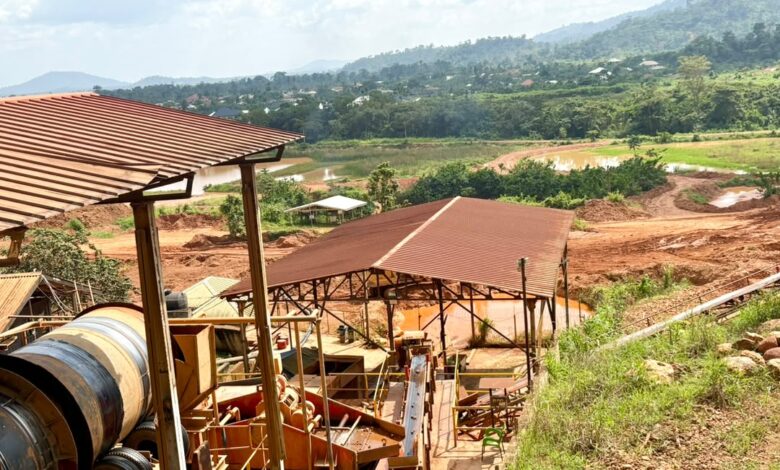
The team visited Kibi Goldfields Limited at Osino in the Eastern Region to observe mining operations and environmental management practices.
With support from the EPA, participants examined land reclamation, rehabilitation of mined areas, water protection and workplace health and safety.
Malawi to draw on Ghana’s experience
At the end of the exchange, Malawi’s Minister of Mining, Thoko Tembo, said the visit had provided useful insights into both Ghana’s progress and the challenges it faced, particularly in regulating artisanal and small-scale mining and improving access to finance for mining businesses.
He said the experience would help Malawi identify practical approaches to strengthening its own mining sector.
Ted Sitima Wina, Senior Economist at UNDP Malawi, said observing how Ghana implements its mining policies had been particularly valuable.
“What stood out most was seeing how Ghana puts mining policies into practice. We are taking home valuable lessons on responsible mineral management and practical ideas to strengthen our systems and ensure mining delivers greater benefits to our people,” he said.
The exchange was facilitated by UNDP Ghana in collaboration with UNDP Malawi and the Government of Malawi. It forms part of efforts to promote knowledge-sharing among developing countries on common development challenges.
For Malawi, the challenge will be adapting the lessons to its own mining institutions and regulatory environment.