Damang Lease Dispute Exposes Longstanding Mining Governance Gap as Manteaw Defends E&P Operations
3 minutes read
Share
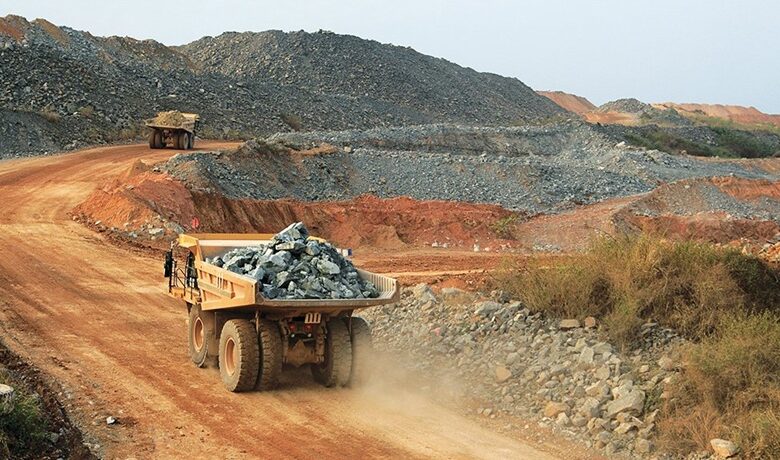
Questions surrounding whether Engineers & Planners has the legal authority to mine and sell gold from the Damang concession before parliamentary ratification of its lease are beginning to expose what policy analysts describe as a deeper structural weakness within Ghana’s mining governance regime. The latest intervention comes from Policy Analyst and Co-Chair of the Ghana Extractive Industries Transparency Initiative (GHEITI), Dr. Steve Manteaw, who argues that the controversy reflects a long-established regulatory practice in Ghana’s mining industry rather than an isolated breach unique to E&P. His comments follow claims attributed to policy analyst Bright Simons questioning whether E&P has the legal right to sell gold from the Damang mine before Parliament ratifies the mineral lease arrangement.
At the center of the dispute is Article 268 of Ghana’s 1992 Constitution, which requires parliamentary ratification of mineral rights agreements. Critics argue that until ratification occurs, ownership and commercial rights over minerals remain with the state. But Dr. Manteaw contends that Ghana’s mining laws and historical practice have long allowed companies to commence operations before ratification is completed because neither the Constitution nor the Minerals and Mining Act previously imposed strict timelines for parliamentary approval. According to him, responsibility for securing ratification lies largely with the executive and Parliament rather than mining companies themselves. “Historically, many large-scale mining companies operated for years, in some instances decades, without ratification of their mining leases,” he said.
E&P’s Presence “Grounded in Law”
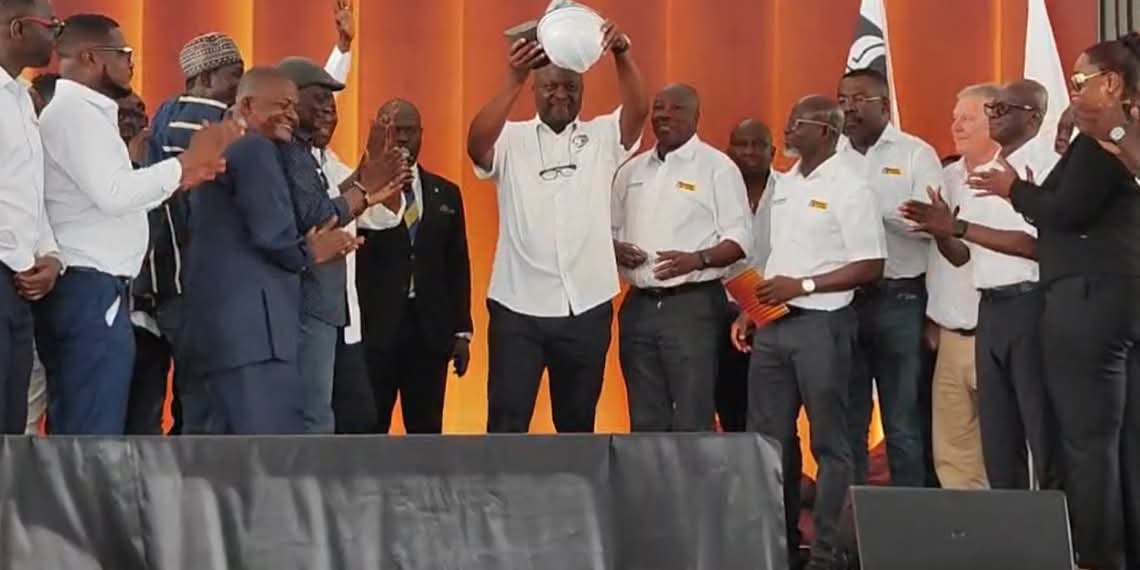
Manteaw argues that the procedures outlined under Section 13 of the Minerals and Mining Act had been substantially complied with in the Damang case. He said the Minerals Commission recommendation process, ministerial approval procedures and acceptance requirements had all been completed, effectively granting E&P and Damang Gold Mines Limited legal grounds to enter and operate on the concession. The intervention is significant because it shifts the debate from whether ratification is important to whether operational continuity can legally proceed pending ratification. According to Manteaw, the Damang situation required urgent intervention to prevent a shutdown after April 18, 2026, with E&P already assuming operational responsibilities including salaries and mine-related expenses before initial gold sales commenced.
Revenue Retention and National Interest
One of the more politically sensitive issues raised by critics concerns ownership of proceeds from gold sales conducted before parliamentary approval. Manteaw insists the state’s financial interests have not been undermined, arguing that revenues generated from gold sales have been retained in Ghana pending eventual reconciliation once Parliament completes the ratification process. The arrangement, he suggests, differs materially from historical situations where multinational mining firms exported gold proceeds abroad during periods when their leases had similarly not been ratified. “I find it strange that almost all the foreign mining companies operating in Ghana did not obtain ratification before going into operations and exporting gold overseas, yet similar arguments were not raised,” he said. The remarks introduce an increasingly sensitive national debate around local participation in Ghana’s extractive sector and whether indigenous firms are being subjected to stricter scrutiny than foreign operators historically faced.
Industry Precedent Could Shape Outcome
Manteaw also referenced a 2019 lawsuit filed by two Members of Parliament against 35 mining companies over unratified leases. Rather than sanctioning the firms or demanding repayment of historical gold revenues, Parliament subsequently regularized the agreements through ratification. That precedent, analysts say, may complicate arguments for halting Damang operations entirely while parliamentary processes remain ongoing. For government, the stakes extend beyond legal interpretation. A prolonged shutdown at Damang could affect employment, contractor payments, export earnings and fiscal revenues at a time when Ghana is seeking to deepen local participation in strategic extractive assets.
Calls for Reform
Despite defending E&P’s operational position, Manteaw acknowledged that the controversy exposes serious regulatory gaps requiring reform. He urged government to amend the Minerals and Mining Act to establish clear timelines for parliamentary ratification and reduce bureaucratic delays that create legal uncertainty around mining operations. He also proposed compensation mechanisms where delays in parliamentary processes expose companies to financial losses from stalled operations. The Damang debate is now evolving into a broader test of how Ghana balances constitutional oversight, investor certainty and the political push for greater indigenous participation within its mining sector. For investors and policymakers alike, the controversy underscores how unresolved governance procedures can quickly escalate into broader questions about regulatory consistency, resource nationalism and legal certainty within one of Ghana’s most strategically important industries.