Fuel Volatility and Gas Disruptions Push Nuclear to the Fore in Ghana’s Energy Strategy
Volatile global fuel markets and recurring domestic gas supply disruptions are intensifying pressure on Ghana to accelerate its transition toward nuclear power, as policymakers confront the structural limits of oil- and gas-dependent electricity generation.
Escalating tensions in the Middle East have triggered sharp swings in crude prices, exposing the vulnerability of fuel-based power systems to external shocks. Brent crude rose from $66.31 on March 5, 2025 to $96.18 by April 16, 2026, after briefly surging above $100 and nearing $115 at the height of the conflict.
That volatility is being compounded by domestic constraints. A recent technical fault at the Ghana National Gas Company’s processing plant forced an emergency shutdown, cutting gas supply to thermal plants and triggering intermittent outages. The disruption, caused by a failure in a key control system, underscores the fragility of infrastructure that underpins a significant share of Ghana’s electricity generation.
Together, these pressures are strengthening the economic case for a more stable, reliable and sustainable energy source.
A Strong Case, Slowed by Structure
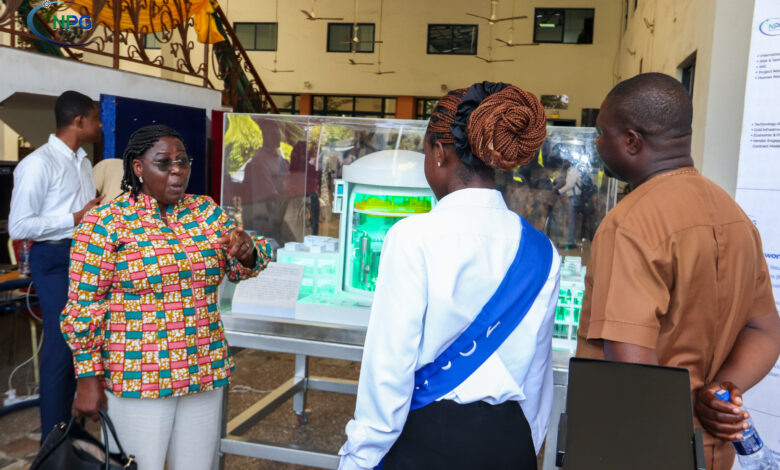
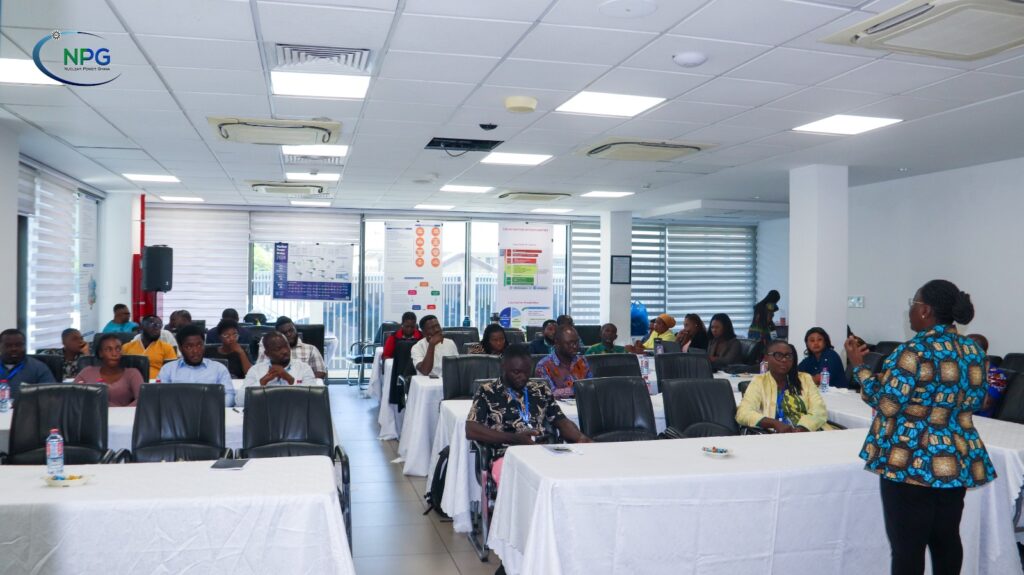
At the centre of the nuclear push is Ms. Bellona-Gerard Vittor-Quao, an employee of the Volta River Authority currently on secondment to Nuclear Power Ghana, where she serves as Public Affairs Manager.
She draws a direct link between global price shocks, domestic supply risks and the urgency of advancing Ghana’s nuclear programme.
“Global shocks like this highlight why nuclear power is critical. It insulates the economy from fuel price volatility and provides a reliable base for growth,” she said.
Ghana’s nuclear ambition dates back to 2008 and has progressed under the International Atomic Energy Agency’s milestones framework. In 2022, the government formally approved the inclusion of nuclear power in the national energy mix following technical studies by the Nuclear Power Institute.
However, the programme remains stalled at Phase 2—the preparatory stage required before construction can begin.
The bottleneck is largely institutional. The Ghana Nuclear Power Programme Organisation (GNPPO), mandated to drive the process, has yet to function effectively at the decision-making level, slowing coordination and delaying critical policy actions.
Rising Costs of Delay
The consequences of the delay extend beyond process into economics.
Uncertainty over long-term power reliability risks undermining investor confidence, particularly in sectors that depend on stable and predictable energy supply. In global infrastructure markets, project delays also tend to increase financing costs as credibility weakens and risk premiums rise.
At the same time, Ghana remains exposed to volatile fossil fuel markets, missing an opportunity to diversify its energy mix with a stable baseload alternative. This is despite the country’s own Energy Transition Framework identifying nuclear power as essential to meeting long-term energy and climate objectives.
Ghana’s nuclear programme currently benefits from technical cooperation with partners including Japan, South Korea and the United States. But sustained delays could erode that support.
“International partners look for consistency and commitment. Prolonged delays send the wrong signal,” Vittor-Quao said.
She added that the continued uncertainty is not in the country’s interest and called for a clear directive from the Presidency on whether Ghana will proceed with the programme.
A firm decision, she noted, would provide certainty for the initiative and the experts who have spent years building its technical foundation—allowing them to either commit fully to its advancement or redirect their efforts.
Power Stability and Industrial Planning
Beyond energy security, nuclear power offers a level of reliability that fuel-dependent systems struggle to match.
A nuclear plant can operate continuously for up to 18 months before refuelling, providing stable baseload power that supports long-term industrial planning and investment. This consistency is increasingly viewed as critical for sustaining production and reducing exposure to supply shocks.
A Narrowing Window
While Ghana navigates internal delays, several African countries including Burkina Faso, Egypt, Kenya, Uganda and Rwanda are advancing their own nuclear programmes, in some cases drawing on Ghanaian expertise.
This raises the risk of talent loss and a gradual erosion of Ghana’s strategic position in the sector.
A key outstanding step remains the selection of reactor technology and a strategic vendor. This decision will shape site assessments, regulatory processes and financing structures. Without it, the programme cannot advance to the next phase, an outcome that hinges on decisive government action.
From Urgency to Execution
The combination of global oil price volatility and domestic gas supply disruptions is sharpening a central policy challenge: moving from strategy to execution.
Without decisive action, Ghana risks shifting from a programme in progress to one in stagnation, a scenario that historically leads to higher restart costs, loss of skilled expertise, reduced investor confidence and prolonged implementation timelines.
The country has already laid much of the technical and policy groundwork. What remains is the institutional momentum to deliver.
As global energy markets remain uncertain, the cost of delay continues to rise.