
ATC Arbitration Win Raises Stakes in Ghana’s Telecom Debt Overhang
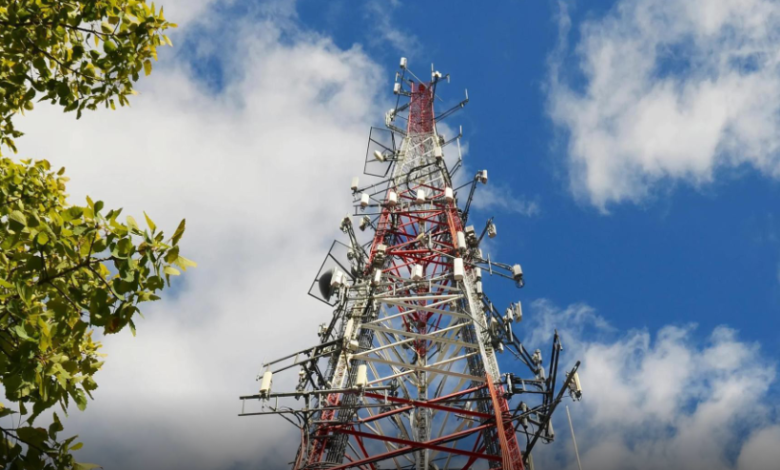
Ghana’s telecoms sector is facing renewed pressure after American Tower Corporation (ATC) secured a decisive arbitration victory against AT Ghana over unpaid tower service fees, sharpening concerns about infrastructure debt and investor confidence.
The ruling, delivered by the International Chamber of Commerce (ICC), brings formal closure to a long-running commercial dispute rooted in years of unpaid obligations under tower-sharing agreements, an essential backbone of mobile network operations.
At the heart of the case is a mounting debt linked to legacy obligations from AirtelTigo, which was acquired by the Government of Ghana in 2021. By early 2025, liabilities to ATC alone had reached at least GH¢1.5 billion, forming part of a broader debt burden estimated at over GH¢3.5 billion.
The financial strain had already triggered operational disruptions. In September 2025, ATC disconnected power to several network sites over non-payment, forcing regulatory intervention. Emergency roaming arrangements were subsequently brokered between AT Ghana and Telecel Ghana to sustain service delivery to more than three million subscribers.
Beyond the immediate operational risks, the arbitration outcome introduces new complexity into AT Ghana’s ongoing restructuring. A proposed acquisition led by Canada-based Rektron Group alongside Afritel Ghana envisions up to US$1 billion in fresh investment over five years. However, the enforceability of ATC’s award now becomes a critical consideration for any incoming investor.
Under international obligations tied to the New York Convention, Ghanaian courts are expected to recognise and enforce the ICC ruling. Legal analysts say the speed and credibility of enforcement will serve as a key signal to infrastructure investors assessing Ghana’s regulatory and dispute-resolution environment.
The case also highlights broader structural risks within Ghana’s telecoms ecosystem, where tower companies depend on predictable revenue flows to sustain capital-intensive infrastructure. Delays in payments not only strain bilateral contracts but can cascade into systemic risks affecting network reliability and sector-wide investment.
As Ghana advances its Digital Agenda 2030, aimed at expanding connectivity and attracting private capital, the ATC ruling underscores a central challenge: balancing state intervention in distressed assets with the need to uphold commercial discipline and contractual certainty.
For policymakers, the message is clear—resolving legacy debts and reinforcing enforceability frameworks will be critical to restoring confidence and unlocking the next phase of telecoms investment