ACEP wants GNPC subsidiary focused on gas, power sector
The Africa Centre for Energy Policy (ACEP) has called for a more commercially focused subsidiary of the Ghana National Petroleum Corporation (GNPC) to manage the state oil company’s interests in gas commercialisation and the power sector.
ACEP Executive Director, Mr Benjamin Boakye, said such an arrangement would give GNPC a stronger position in power sector negotiations and help protect its commercial interests, particularly where electricity tariffs affect the ability of power producers to pay for gas.

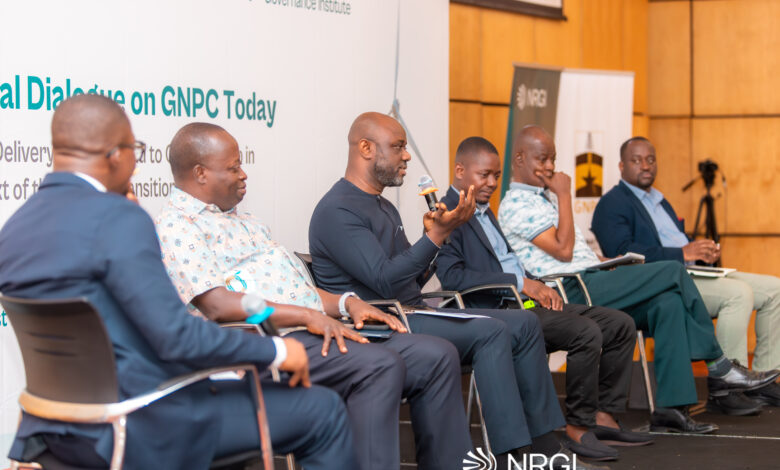
Speaking at a forum on GNPC organised by the Natural Resource Governance Institute (NRGI) in Accra, Mr Boakye said the proposed subsidiary should not compete with GNPC’s core operations but should provide a strategic entry point into the commercial arrangements behind power projects.
He said GNPC needed to understand and participate in negotiations that determine the commercial terms of power projects because decisions on electricity tariffs could ultimately affect the corporation’s revenue from gas.
“If the tariff is too high on the power side, it has implications for your money,” he said, arguing that GNPC should not be left to deal with the consequences of tariff decisions taken without its involvement.
Mr Boakye also called for stronger documentation of decisions affecting GNPC, particularly those influenced by government policy and political considerations.
He said a clear decision-making trail would help establish how major decisions were reached, who supported them and what approvals were obtained.
According to him, GNPC must be able to interpret government decisions, assess the risks and find ways to optimise them for the corporation’s commercial benefit.
PIAC raises legal concerns
The call for stronger institutional arrangements comes alongside concerns from the Public Interest and Accountability Committee (PIAC) about inconsistencies in the laws governing Ghana’s petroleum sector.
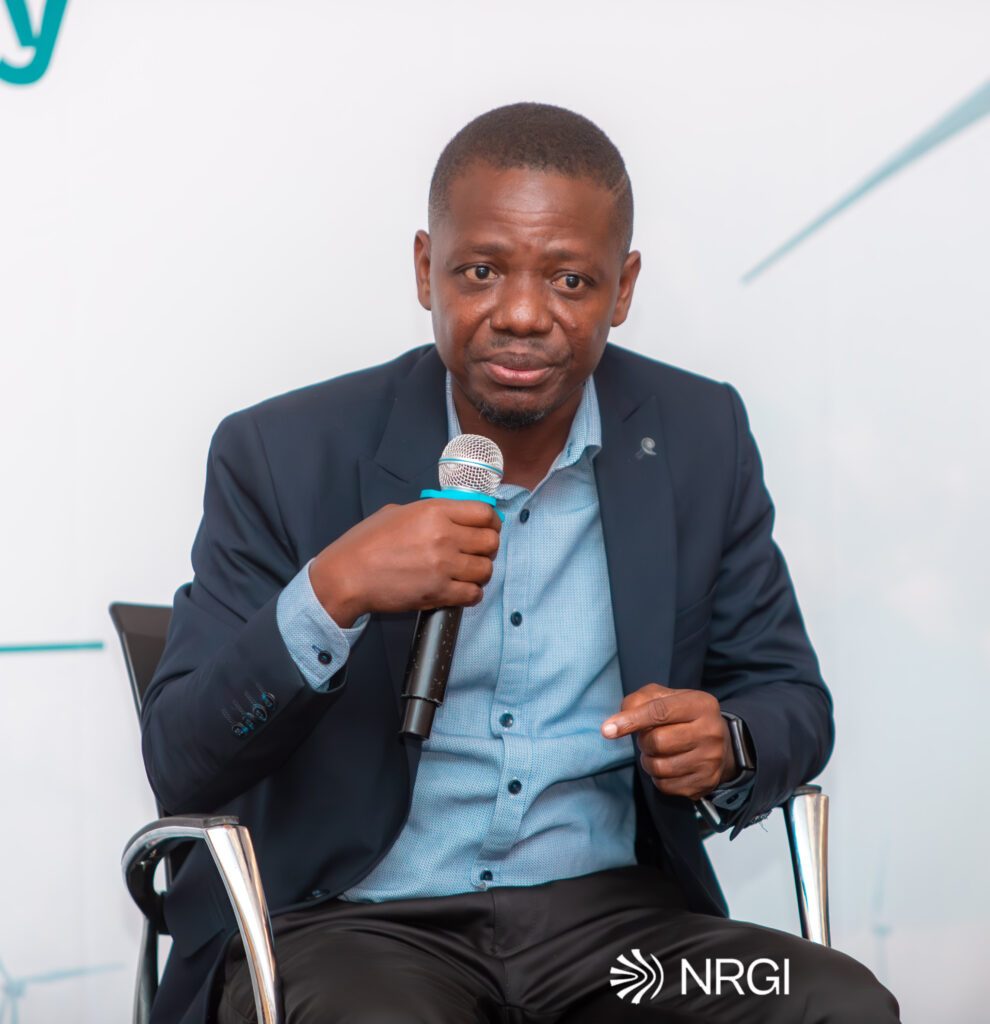
PIAC Technical Officer, Mark Agyeman, said the GNPC Act, the Energy Sector Management Programme (ESMP) Act and the Petroleum Revenue Management Act (PRMA) need to be reviewed and properly aligned.
He said inconsistencies between the laws sometimes make it difficult for GNPC to fully operationalise its mandate and also create challenges for PIAC in determining the information it should request as part of its oversight role.
Mr Agyeman said PIAC’s last three statutory reports had recommended a review and alignment of the relevant legislation.
He, however, noted that GNPC had improved its reporting to PIAC, saying 2026 was the first time the corporation had submitted its data within the stipulated period.
He said the bigger challenge was moving from disclosure to accountability.
According to Mr Agyeman, GNPC reports to 23 regulatory institutions, including PIAC, and there is no data requested by PIAC that GNPC has refused to provide.
He said PIAC was therefore working with GNPC through recommendation implementation sessions to ensure that issues identified through its reports translate into corrective action.
The discussions point to the need for GNPC to strengthen both its commercial strategy and institutional systems as it seeks to play a bigger role in Ghana’s gas and power value chain.