U.S. Students Turn Ghana Study Tour into Community Service Mission
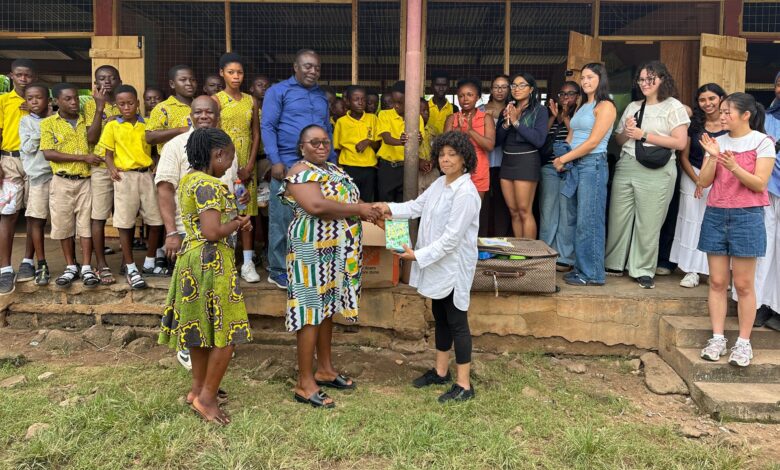
A study visit to Ghana became an opportunity for community impact as 17 students from Northeastern University in Boston in the USA combined academic learning with volunteer work, supporting schools and healthcare institutions through donations and educational outreach.
Led by Associate Professor of Applied Psychology, Dr. Vanessa Dianna Johnson, the students spent time in educational institutions and health facilities as part of an academic exchange programme facilitated by OG World Foundation, a Ghana-based non-governmental organisation led by it’s CEO Edward Tetteh.
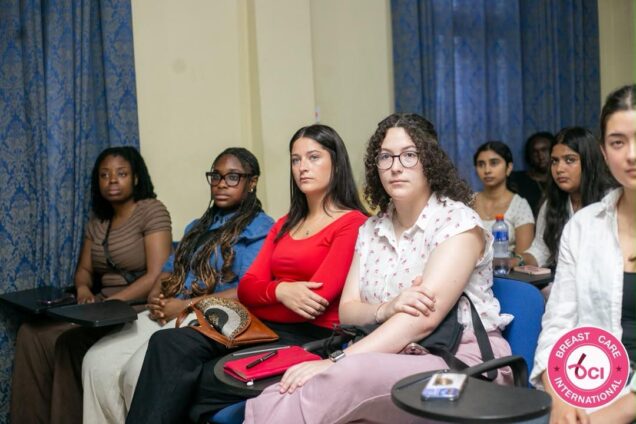
The delegation also visited Peace and Love Hospital in Kumasi, where the students engaged health professionals to gain practical insights into breast cancer treatment and Ghana’s healthcare delivery system.
Education Through Experience
For Dr. Johnson, the programme reflects a teaching philosophy that places equal value on classroom knowledge and real-life experience.
She said exposing students to different cultures and healthcare systems broadens their understanding while allowing them to contribute meaningfully to communities.
“It makes me feel useful and at the same time, it makes me feel like I have a lot more to do,” she said.
Dr. Johnson, who was enstooled as a Queen Mother in Ghana in 2023 in recognition of her humanitarian work, said each return visit strengthens her commitment to supporting communities through education and service.
She noted that beyond the donations, the students learned important lessons about Ghana’s healthcare system, community resilience and public service.
Commenting on healthcare delivery, particularly emergency care, she said improving patient outcomes depends largely on strengthening the skills and training of healthcare professionals.
“I think it has more to do with training of health staff to deliver better services than anything else,” she observed.
Supporting Learning in Bonwire
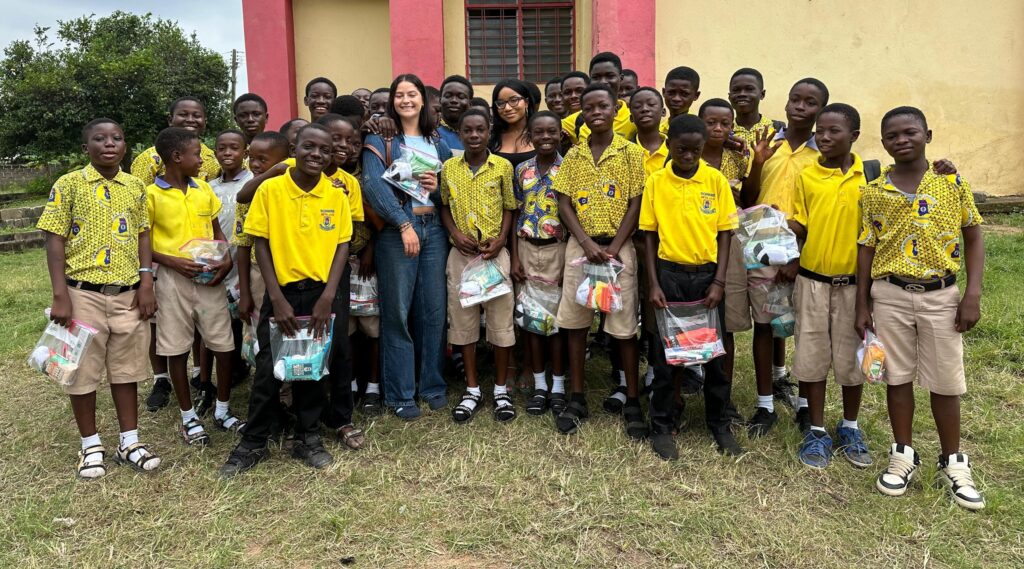
The team’s community engagement included a visit to Bonwire Primary School in the Ashanti region where pupils received backpacks containing exercise books, pencils, erasers, crayons and modelling clay to prepare them for the next academic year.
The students also organised sessions on oral and personal hygiene before distributing toothbrushes and other dental care items.
Headmistress Akua Serwah Boateng described the support as timely, noting that many pupils now have the basic learning materials they need before schools reopen in September.
“The new academic year begins in September, so I can say all of them are ready. They have their books, backpacks, pencils and erasers,” she said.
She believes the donations will encourage children to return to school when classes resume.
“I am hopeful it will boost attendance on the first day of school because every child will be eager to come to school knowing he or she has almost everything required for the academic year,” she added.
She appealed for additional support in the future, particularly teaching aids and audiovisual learning materials for preschool education.
Improving Reading Skills
At the school’s Junior High Department, students also donated exercise books and reading materials to support literacy development.
Headmistress Rebecca Nkrumah Mponponsuoh said the books would strengthen the school’s library sessions, explaining that students had long lacked adequate reading resources.
She added that the hygiene education delivered by the visiting students would also help learners develop healthier personal habits.
Building Lasting Connections
While the programme was designed as an academic exchange, it also demonstrated how international educational partnerships can create lasting benefits for local communities.
For the visiting students, the experience offered practical lessons in healthcare, education and community engagement that cannot easily be replicated in a lecture hall.
For the schools and healthcare institutions they visited, the donations and interactions provided additional resources while fostering international relationships that could lead to future collaboration.
For Dr. Johnson, however, the work is far from over.
“I have a lot more to do,” she said.