Climate Risk Is Becoming a Lending Risk and Ghana’s Banks Are Responding
Climate change is beginning to reshape the business of banking in Ghana, with financial institutions moving beyond traditional lending to develop products that help customers adapt to increasingly unpredictable environmental conditions.
Advans Ghana Savings and Loans says it is incorporating climate resilience into its long-term business strategy, signalling a broader shift in how banks are responding to environmental risks that increasingly threaten households, farms and small businesses.
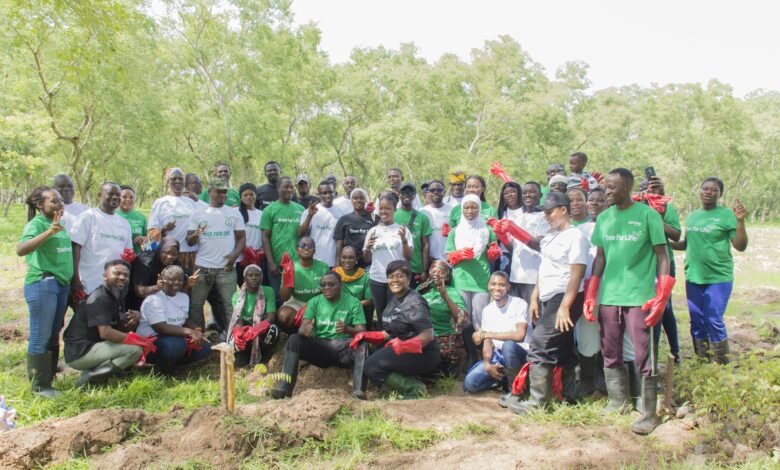
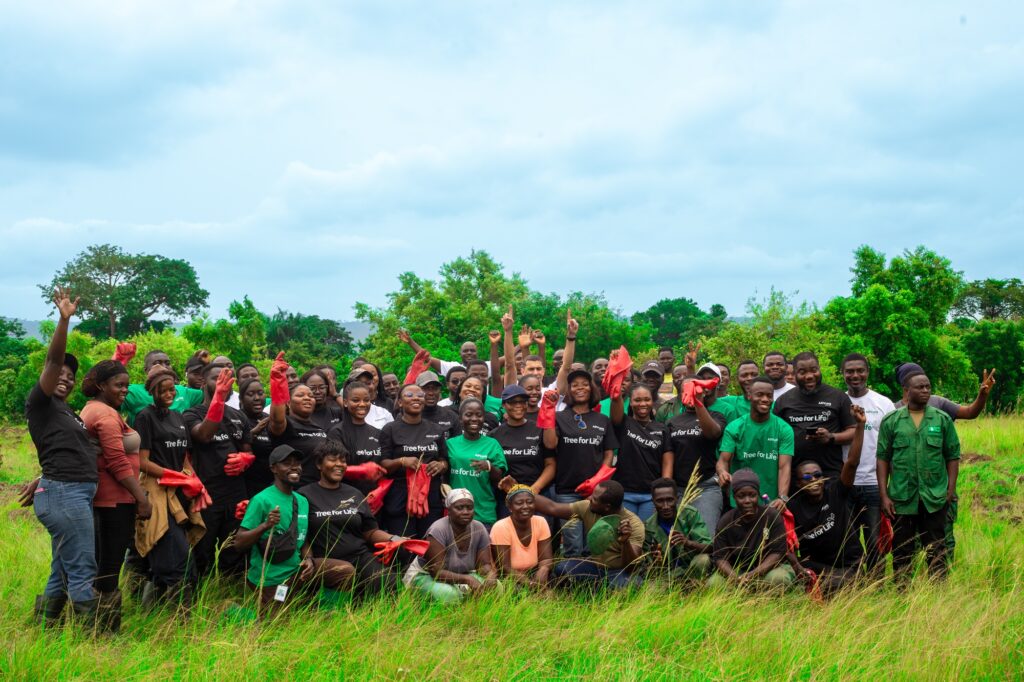
The institution’s latest sustainability initiative, which saw 1,600 trees planted in collaboration with the Forestry Commission, forms part of a wider climate roadmap that extends beyond environmental conservation into financial product development.
Rather than treating climate action solely as corporate philanthropy, Advans says it intends to introduce green and climate-related loan products alongside financing solutions designed to support communities affected by climate-induced disasters.
That represents an important shift for Ghana’s financial sector.
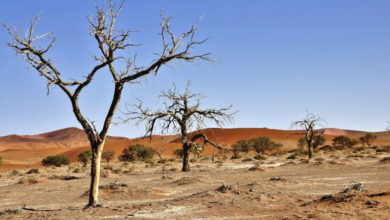
As extreme weather events become more frequent, climate change is increasingly affecting the ability of borrowers, particularly farmers and small businesses, to repay loans. Crop failures, flooding and prolonged droughts can quickly weaken household incomes and business cash flows, ultimately becoming risks for lenders themselves.
This has elevated climate resilience from an environmental concern to a financial one.
Chief Executive Officer Guillaume Valence said sustainability must create long-term value for both communities and the business.
“At Advans Ghana, we believe that sustainable growth is more than financial success. It is about creating lasting value for our customers, communities and the environment.”
The institution is also reducing its own operational footprint.
Advans reported cutting paper consumption by more than 75 percent in 2025, reducing annual usage from approximately 1,800 reams to 445 reams through greater digitisation of its operations.
The bank says the 1,600 trees planted this year represent the equivalent of more than 26,500 reams of paper based on standard paper production estimates, significantly exceeding its annual paper consumption.
Importantly, the institution has maintained an 80 percent survival rate for trees planted over the past seven years through ongoing monitoring with the Forestry Commission, suggesting a longer-term commitment rather than a symbolic environmental exercise.
Green Finance Is Growing
Globally, banks are increasingly integrating environmental, social and governance (ESG) considerations into lending decisions, investment strategies and risk management.
Development finance institutions and international investors now place greater emphasis on how financial institutions manage climate risks, finance sustainable businesses and reduce their own environmental impact.
For Ghana, where agriculture remains heavily exposed to climate variability and many small businesses lack financial buffers against weather-related disruptions, climate finance is expected to become an increasingly important segment of the banking industry.
Institutions capable of financing solar energy, climate-smart agriculture, water conservation and disaster recovery could find new growth opportunities while helping customers build resilience.
Advans’ strategy suggests that the future of banking may increasingly involve financing adaptation as much as financing enterprise.
For the financial sector, climate resilience is gradually becoming not only an environmental responsibility but also a business opportunity and a risk management imperative.