From Skills to Jobs: Newmont Builds Ahafo’s Next Generation of Skilled Workers
For young people in mining host communities, the value of an opportunity often goes beyond completing a training programme. What matters is whether the skills acquired can open a door to work, provide an income and create a foundation for a career.
That is the pathway Newmont’s Learnership Programme in Ahafo is seeking to build, combining technical training with practical workplace experience to prepare young people for opportunities within the mining industry and its wider network of businesses.
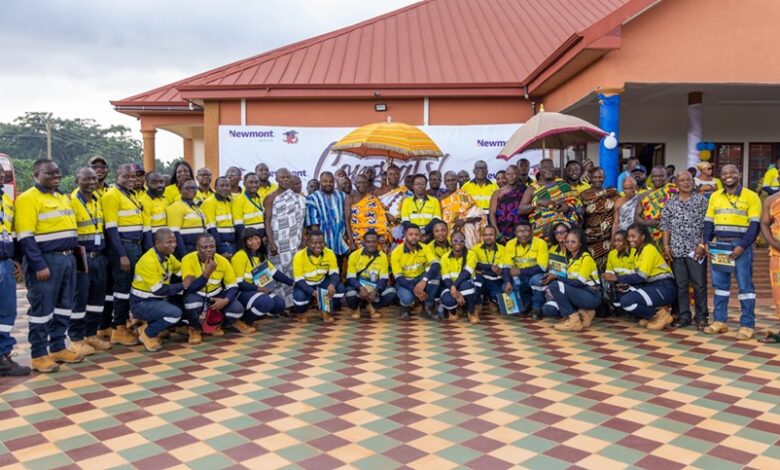
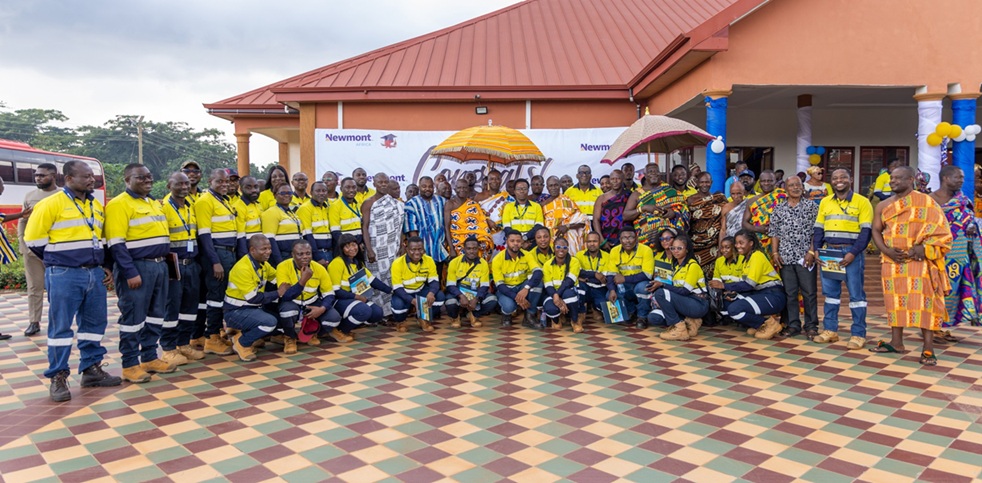
Thirty young people from Newmont’s 10 host communities graduated from the programme this year, bringing to 99 the number of participants who have completed the current programme since 2023.
The significance of the initiative, however, lies beyond the number of graduates. It is in what happens after the training: young people gaining practical skills, entering the workplace, earning an income and adding to the pool of skilled workers in the communities around the mine.
Turning training into opportunity
The Learnership Programme provides participants with technical training, mentorship, coaching and hands-on experience in areas directly connected to mining operations.
What started with Haul Truck Operations has since expanded to include Drill and Blast Operations and Process Plant Operations, giving young people more than one route into the industry.
The broader range of training is important because mining operations require different technical skills and specialisations. By widening the areas covered, the programme gives participants an opportunity to find a path that matches their abilities and interests while responding to skills requirements within the industry.
The practical side of the programme is equally important. Participants gain exposure to actual work environments and the demands of operating in a professional setting.
They learn not only the technical aspects of their roles but also how to work within established procedures, operate safely, work as part of a team and meet workplace expectations.
For young people seeking their first opportunity in the formal workforce, that experience can make an important difference when they begin looking for employment.
Skills that are leading to jobs
The employment outcomes recorded so far provide a measure of what the training is achieving.
Ninety-six per cent of graduates from the 2023, 2024 and 2025 cohorts have gained employment. Some are working directly with Newmont, while others have secured opportunities with the company’s third-party contractors.
Employment outcomes for the 2026 cohort are still being tracked as the latest graduates transition into the workforce.
The figures suggest that the programme is helping close an important gap between acquiring technical skills and finding a place to use them.
For the graduates who have secured jobs, the transition means moving from training into working life, with the opportunity to earn an income, gain further experience and continue developing their skills.
A first job can also provide a foundation for future employment. As workers accumulate experience and develop additional competencies, they can become better positioned to take on new responsibilities and pursue further opportunities.
When a job changes more than one life
The effect of employment can extend beyond the person who gets the job.
For a young person who begins earning an income, employment can mean greater ability to contribute to household expenses, support family members and meet personal needs without relying entirely on parents or other relatives.
Over time, that earning capacity can also help young workers invest in further education, skills development or other opportunities that improve their economic prospects.
At household level, therefore, the benefit of a training programme can continue long after the graduation ceremony has ended.
This is where the value of the initiative becomes broader than the number of certificates issued. The training creates an opportunity for young people to become economically active and for their skills to translate into a livelihood.
Growing a skilled workforce in Ahafo
The programme is also gradually building a larger pool of people from the communities around Newmont’s Ahafo operations with direct experience of the mining industry.
Young people from all 10 host communities in Ahafo North and South have completed the current programme since 2023.
The number of graduates has grown and varied across the four years, with 19 participants graduating in 2023, 33 in 2024, 17 in 2025 and 30 in 2026.
Some have joined Newmont, while others have moved into jobs with contractors supporting the mine.
This means the skills acquired through the programme are not confined to one employer. Graduates are entering a wider network of businesses connected to the mining operation, expanding the potential value of their training.
For the host communities, the growing number of technically trained young people represents an expanding pool of local skills and experience.
Building on a longer skills investment
The current Learnership Programme is part of a much longer investment in technical training by Newmont in its host communities.
Since 2005, the company has operated the Newmont Apprenticeship Programme, which equips community youth with technical skills to pursue careers as maintenance technicians with Newmont, its business partners and other industries.
Newmont has also supported learnership opportunities over the years to help community members take up operational roles, including helping develop some of the first haul truck and equipment operators at Ahafo South from the mine’s host communities.
The current programme builds on that experience while expanding the range of technical skills available to young people.
From individual skills to community capacity
The longer-term impact is the accumulation of skills within the communities themselves.
Every graduate who acquires a technical skill, gains workplace experience and enters employment adds to the human capacity of the area.
Those who find work gain an opportunity to earn and build careers. Their households can benefit from additional income, while the communities gain people with experience in technical occupations and knowledge of the mining industry.
That can strengthen the connection between the communities and the economic activity taking place around the mine.
It also means that skills developed through the programme can remain useful beyond a graduate’s first job, providing a foundation for further employment and career development.
A pipeline that is creating pathways
The 99 young people who have completed the current programme represent more than a graduation figure. They represent young people who have had an opportunity to acquire technical skills, gain workplace experience and pursue employment.
The 96% employment rate among the first three cohorts provides one indication of what has happened after that training.
At the same time, the expansion from haul truck operations into drill and blast and process plant operations shows how the skills pipeline is broadening.
As Newmont marks 20 years of commercial operations in Ghana, the Ahafo experience demonstrates how sustained investment in skills can create opportunities that extend beyond the mine itself.
For the young people involved, the pathway begins with training but can lead to much more: practical experience, a first job, an income and the foundation for a career.
For the host communities, the longer-term gain is a growing pool of young people with skills, experience and the opportunity to participate more fully in the local economy.