More Women Are Being Hired But Few Are Rising: ACCA Flags Deeper Workplace Imbalance

An uncomfortable pattern is emerging in Ghana’s workplaces: more women are getting in, but far fewer are moving up.
That was the central concern raised by the Association of Chartered Certified Accountants Ghana, as industry leaders warned that progress on gender inclusion is increasingly being measured at entry level while stagnation at senior levels remains largely unaddressed.
A Pipeline That Thins at the Top
On the surface, the numbers suggest improvement. More women are entering the workforce, and participation rates are rising. But beneath that progress lies a structural bottleneck.
Globally, women occupy just under a third of senior leadership roles, with representation dropping further at executive levels. Pay disparities persist, and promotion pathways remain uneven.
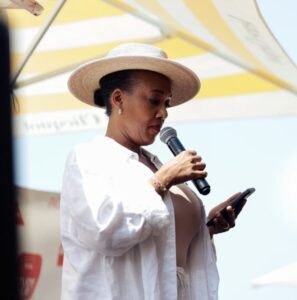
For Ayesha Bedwei Ibe, the issue is not a lack of talent but a system that filters women out as careers advance.
The real question, she noted, is not how many women are hired, but how many are retained, promoted and given leadership responsibility.
Barriers That Don’t Show Up in Policy
What makes the challenge harder to address is that many of the constraints are informal.
Career progression is often shaped by access to networks, to high-visibility assignments, and to decision-makers. These are areas where women are still underrepresented, limiting their ability to compete on equal footing.
Performance assessments, too, can be influenced by unconscious bias, while rigid work structures continue to disadvantage those balancing professional and family responsibilities.
The cumulative effect is subtle but powerful: over time, fewer women make it through to senior roles.
Shifting the Focus to Systems
The conversation is now moving beyond awareness to structure.
ACCA is advocating practical interventions greater transparency in pay, more deliberate leadership development pathways, and stronger sponsorship systems that actively position women for advancement.
The emphasis on sponsorship marks a shift. While mentorship provides guidance, sponsorship involves influence ensuring that capable professionals are seen, supported and promoted.
Why It Matters Beyond Inclusion
The stakes extend beyond fairness.
Underutilising a significant portion of the workforce has direct implications for productivity, innovation and competitiveness. In a skills-driven economy, organisations that fail to develop diverse leadership pipelines risk falling behind.
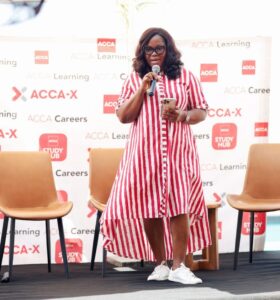
Gloria Boye Doku framed the issue in broader terms, noting that empowering women strengthens not just organisations, but households and communities.
Individual Effort Meets Structural Limits
There was also recognition that women themselves are investing in growth—through continuous learning, professional certifications and adapting to new tools such as artificial intelligence.
But effort alone cannot offset structural constraints.
Without fair promotion systems, flexible work arrangements and stronger institutional support, progress will remain uneven.
Incremental Change, Systemic Challenge
Some organisations are beginning to respond revising policies, tracking diversity outcomes and holding leadership accountable.
Yet these examples remain the exception rather than the norm.
The broader picture suggests that while inclusion has improved, equity particularly at leadership level remains work in progress.
The Takeaway
The gap in women’s advancement is no longer a question of opportunity at entry point. It is a question of what happens next.
Until organisations address the underlying systems shaping careers, the numbers at the bottom will continue to rise while the top remains largely unchanged.